
The Tactile Wisdom: How Fabric Texture Informs Our Choices
The Sensory Experience
Consider the act of reaching into your wardrobe, fingers brushing against the cool smoothness of silk or the soft roughness of linen. These tactile sensations are not merely incidental; they convey valuable information about the garments you hold.
Touch is a powerful sense that often surpasses visual cues in conveying the character and quality of materials. The texture of a fabric can tell you much about its composition, durability, and even the care required for maintenance. A garment’s touch can hint at whether it is made from natural or synthetic fibers, as well as the processes involved in its creation.
The Language of Texture
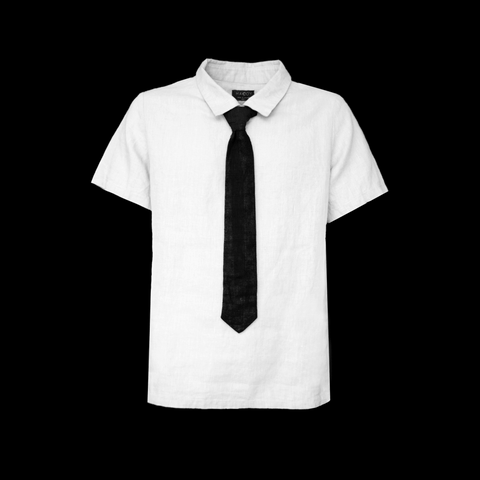
Different fabrics speak different languages through texture. For instance, wool often feels dense and slightly coarse to the touch, indicating its insulating properties. Linen, on the other hand, offers a cooler, more breathable sensation, suggesting its suitability for warmer climates or seasons.
The tactile experience of cotton is familiar yet nuanced; it can feel soft and supple if made from long-staple fibers, or coarser if spun from shorter ones. This variability in texture provides insight into the quality of the raw materials used as well as the craftsmanship involved in weaving them together.
The Role of Texture in Durability
Texture also plays a crucial role in determining the durability of a garment. Fabrics with a smoother, more uniform texture tend to be less prone to snags and tears, making them suitable for high-wear items such as trousers or outerwear. Conversely, textiles with a rougher surface may be more resistant to wrinkles but could require more delicate handling.
When selecting garments, understanding the implications of texture can guide you toward pieces that will withstand frequent use while retaining their shape and appearance over time. This knowledge empowers thoughtful choices about what to add to your wardrobe, choosing items that not only feel good against the skin but also promise longevity through careful construction.
Caring for Textures
The way a fabric feels can also inform how it should be cared for. For example, delicate materials like silk or cashmere often have a smooth, soft texture that requires gentle washing methods and minimal handling to preserve their integrity. On the other hand, hardier fabrics such as denim or canvas offer a sturdier texture that can withstand more rigorous laundering routines.
By paying attention to these cues, you can adopt care practices that extend the lifespan of your garments while maintaining their quality. This might involve using specific detergents, avoiding high-heat drying cycles, or opting for hand-washing instead of machine washing, all guided by the tactile feedback of the fabric itself.