
The Art of Curation: The Psychology Behind Owning Less
The Paradox of Choice
Imagine standing in front of a vast wardrobe, filled with countless garments, each promising a different version of oneself. This abundance can be both exhilarating and paralyzing. The paradox of choice, as psychologist Barry Schwartz described it, suggests that while having options might seem liberating, an excess of choices often leads to anxiety and dissatisfaction.
The more options we have, the higher our expectations become. A closet overflowing with clothes does not equate to a life filled with joy or fulfillment. Instead, it can lead to decision fatigue, where the sheer volume of choices drains mental energy, leaving us feeling depleted before the day has even begun.
The Joy of Less
Owning fewer items encourages a deeper appreciation for what we do possess. When each garment is selected thoughtfully and worn with care, it gains a rich history and personal significance that transcends mere fashion. This approach not only simplifies daily decisions but also fosters a sense of mindfulness and intentionality.
In the book The Minimalist Home, Joshua Becker discusses how minimalism can lead to greater contentment. By focusing on quality over quantity, we invest in items that bring genuine value to our lives. This mindset extends beyond clothing to all aspects of life, creating a harmonious and balanced environment.
The Environmental Benefit
The environmental impact of the fashion industry is well-documented, with vast amounts of waste generated by fast fashion trends. Owning fewer garments reduces this footprint significantly. By choosing durable, high-quality materials that last longer, we contribute to a more sustainable future.
Moreover, the production processes of many textiles are resource-intensive and environmentally harmful. Reducing consumption not only conserves natural resources but also diminishes the demand for new garments, thereby curbing the environmental damage caused by textile manufacturing.
The Psychological Freedom
Living with fewer possessions can be a form of liberation. It allows us to focus on experiences rather than material acquisitions. This shift in perspective often leads to increased creativity and personal growth. Without the constant distraction of acquiring more, we find space for reflection and introspection.
In his book The Life-Changing Magic of Tidying Up, Marie Kondo highlights how decluttering can bring about a profound sense of peace and clarity. By embracing minimalism in our wardrobes, we create room for what truly matters, be it meaningful relationships, personal hobbies, or moments of tranquility.
The Art of Curation
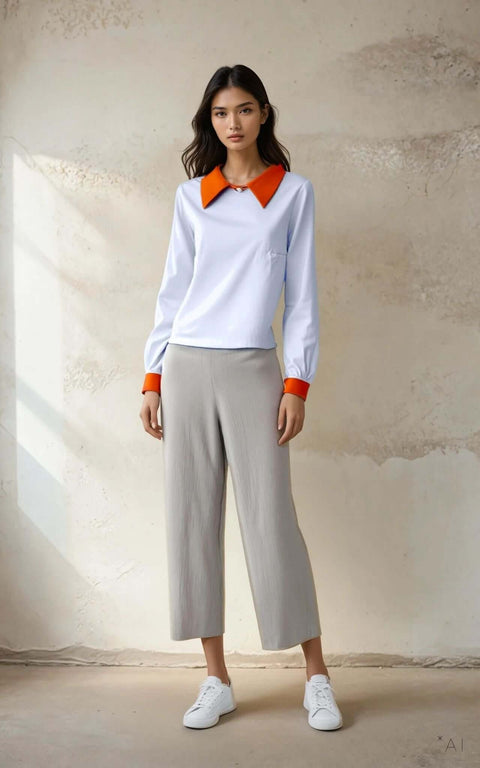
Curating a wardrobe with fewer items requires a keen eye and a discerning taste. It involves selecting pieces that are not only beautiful but also versatile and timeless. This approach encourages us to see our clothing as an extension of ourselves, each piece telling a story or representing a memory.
When we invest in quality over quantity, we create a wardrobe that stands the test of time. It becomes a collection of cherished items rather than a disposable accumulation of trends. This mindset is not only beneficial for our mental well-being but also aligns with ethical and sustainable practices, promoting a deeper respect for both ourselves and the environment.