
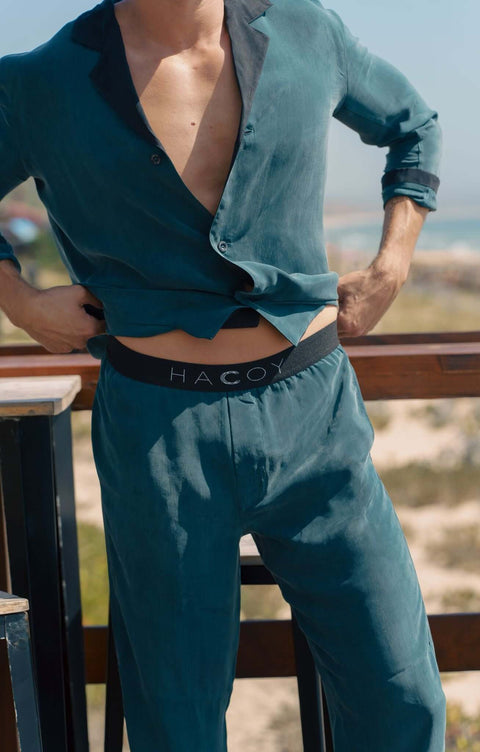
Steam or Iron: The Art of Fabric Care
The Decision Between Steam and Iron
There are few moments as satisfying as pressing a garment until it is smooth and free from creases, but the decision between using steam or an iron can be more nuanced than it first appears. The choice depends on several factors, including fabric type, personal preference, and the desired finish.
The steam iron has gained popularity in recent years due to its ability to remove wrinkles without applying direct heat onto the surface of the fabric. This makes it particularly suitable for delicate materials such as silk or wool. Steam can penetrate deeper into the fibres, relaxing them more gently than an iron’s hot plate might. A gentle touch is essential when dealing with these fabrics, and steam allows for a more forgiving approach.
The Role of Moisture in Fabric Care
In both steam and traditional irons, moisture plays a pivotal role in the fabric care process. When you use an iron with steam function, the water vapour helps to soften the fibres by penetrating them deeply, making it easier to remove wrinkles.
This is especially true for synthetic fabrics like polyester or nylon, which can be prone to heat damage if not handled properly. The moisture from steam helps distribute the heat more evenly, reducing the risk of scorching. However, it’s important to note that some synthetic materials may react unfavourably to high levels of moisture.
Ironing Techniques for Different Fabrics
For cotton and linen garments, which are often thicker and more robust, a traditional iron can be the better choice. The direct heat from an iron can provide a crisp finish that steam alone may not achieve. This is particularly useful for items like dress shirts or tablecloths, where a sharp crease is desired.
That said, even with sturdy fabrics, the use of steam can still be beneficial. It helps to relax the fibres and make ironing more efficient, especially if the fabric has been sitting for some time in a crumpled state. For those who prefer a more relaxed finish on their garments, using an iron with steam is a good compromise.
Heat, Water and Upkeep
The practical differences between steam and a traditional iron are worth exploring. Both methods require energy to operate, and steam often does its work at lower heat settings.
However, it is important to consider the source and quality of water used in steam production. Using mineral rich or hard water can leave behind deposits on your ironing surface over time. This not only affects the efficiency of your iron but also requires additional cleaning efforts, which may involve the use of harsh chemicals. In such cases, using a traditional iron with less water might be more practical.
The Art of Choosing
Ultimately, the choice between steam and ironing depends on the specific needs of your fabric and your personal preferences. Some fabrics may benefit from a combination of both methods for optimal results. For those who value HACOY's commitment to thoughtful garment care, understanding these distinctions can enhance the longevity of your wardrobe.