
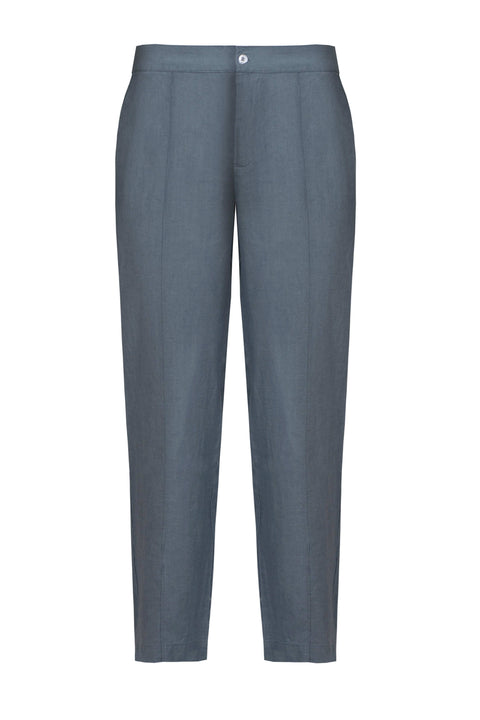
The Evolution of Fabric: How Fit Influences Aging
The Subtle Art of Garment Fitting
The way a garment fits can have profound implications for how it ages. Consider, for instance, the humble T-shirt. A shirt that is slightly too large will gradually stretch and lose its shape over time. Conversely, a shirt that is too tight may become misshapen from constant pulling and tugging at the fabric.
This principle applies to all types of clothing. A well-fitting garment maintains its structure and integrity for longer. The fabric does not experience undue stress or strain, which can lead to premature wear and tear. Moreover, a properly fitted piece encourages a thoughtful approach to wearing; one that respects the material's natural tendencies.
Stretching and Compression
The interplay between stretching and compression is critical in understanding how fit affects aging. Fabrics like silk or long-staple cotton are naturally more resistant to wear but can still succumb to overstretching if the garment does not fit correctly. On the other hand, fabrics with a natural give, such as linen, may relax into their shape over time but will do so more evenly when fitting properly.
Compression, or the reduction in fabric surface area due to pressure from tight clothing, can also lead to accelerated aging. The tighter a garment is pulled, the more it is compressed, which can cause fibers to break down faster. Proper fit ensures that compression is minimal and evenly distributed.
The Role of Movement
Movement plays an essential role in how fabric ages. When we move, our clothing moves with us, creating natural creases and folds. A well-fitting garment allows for this movement without causing undue stress on the fabric. This is particularly true for activewear made from technical fabrics like polyamide or elastane, which are designed to stretch and return to their original shape.
Poorly fitting garments can restrict natural movement, leading to increased tension and wear in specific areas. Over time, this can result in uneven aging of the fabric, with some parts becoming thin or worn while others remain relatively untouched. A garment that moves with the body, rather than against it, will age more gracefully.
Care and Maintenance
The way we care for our clothing also influences how fit affects its aging process. Regular washing and drying can hasten wear and tear, especially if the garments are not given enough space to move freely during these processes. A well-fitting piece allows for better circulation of water and air, reducing the risk of fabric damage.
Additionally, proper storage is crucial. Clothing that is hung or folded correctly will maintain its shape better than items crammed into drawers or closets. Fitted garments naturally hold their form, making them easier to store without causing creases or wrinkles. A thoughtful approach to garment care ensures longevity and reduces the environmental impact of replacing worn-out clothing.
In conclusion, how a garment fits can significantly influence its aging process. The subtle interplay between fit, movement, stretching, compression, and care all contribute to the fabric's lifespan. This understanding encourages a more mindful approach to fashion, one that values quality over quantity and appreciates the natural evolution of well-crafted garments.